


Our Clients
Description
This premium high-performance beige extruded sheet is an engineering plastic designed for demanding industrial applications where strength, thermal stability and chemical resistance are essential. Manufactured to tight tolerances, it offers consistent mechanical properties across the sheet, making it suitable for precision machining, fabrication and components that must perform reliably in service.
Available in a choice of thicknesses and sheet sizes, this versatile material is widely used in mechanical engineering, process plant, guards, structural panels and wear parts. Its excellent balance of rigidity, impact strength and resistance to many chemicals makes it a dependable alternative to metal in a wide range of environments.
Product Features
- Offered in a neutral beige colour for a clean, professional appearance and easy identification in machinery and assemblies.
- Available thickness options of 3 mm, 4.5 mm, 6 mm, 9 mm and 12 mm to suit lightweight covers through to heavy-duty structural and wear components.
- Standard sheet lengths of 2440 mm and 3000 mm to optimise yield and minimise offcuts during fabrication.
- Sheet widths of 1220 mm and 1500 mm accommodate both compact parts and larger panels or guards.
- High mechanical strength and rigidity suitable for load-bearing parts, support plates and precision machined items.
- Excellent heat resistance, maintaining performance at elevated operating temperatures in industrial environments.
- Good chemical resistance to many oils, greases, coolants and cleaning agents commonly found in engineering and processing applications.
Key Features and Benefits
- Provides long-lasting performance under mechanical stress, reducing the frequency of replacement parts and associated downtime.
- Withstands elevated temperatures, making it suitable for use near machinery, processing lines and other heat-generating equipment.
- Resists attack from many industrial chemicals, helping maintain dimensional stability and strength in challenging environments.
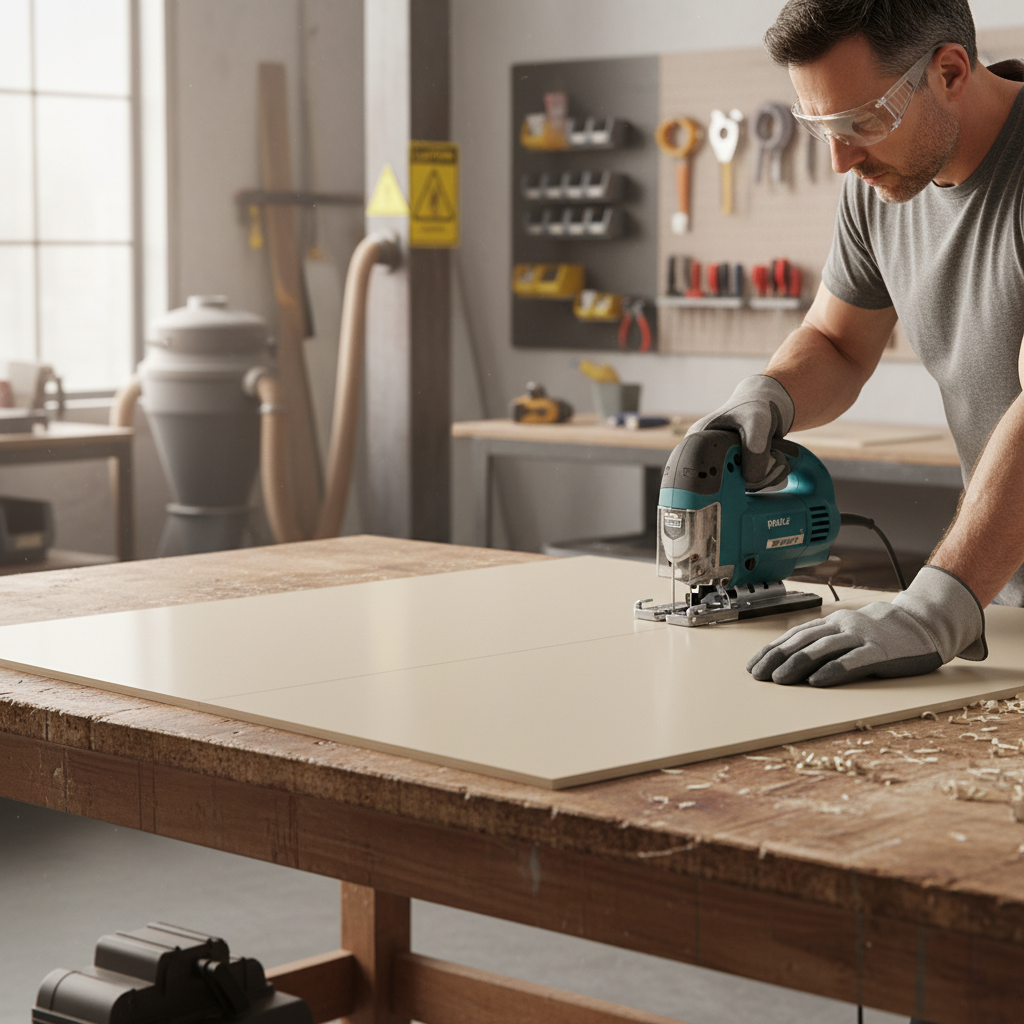
- Machinable with standard metalworking and plastic-working tools, allowing precise fabrication of bespoke components and profiles.
- Beige colour helps highlight contamination, wear or damage, supporting easier inspection and maintenance routines.
- Wide choice of sheet sizes and thicknesses allows efficient nesting and cutting, minimising material waste and overall project cost.
Specifications
| Specification | Detail |
|---|---|
| Material Type | High-performance engineering thermoplastic, extruded sheet |
| Colour | Beige |
| Available Thicknesses | 3 mm, 4.5 mm, 6 mm, 9 mm, 12 mm |
| Sheet Length Options | 2440 mm, 3000 mm |
| Sheet Width Options | 1220 mm, 1500 mm |
| Key Properties | High strength, heat resistant, chemically resistant, suitable for machining and fabrication |
Applications and Ideal Uses
This beige extruded engineering sheet is suitable for a wide range of industrial and mechanical applications where durability, thermal stability and chemical resistance are essential.
- Machine guards, covers and access panels in workshops and production facilities.
- Structural panels, support plates and mounting boards for equipment and assemblies.
- Wear strips, guide rails and bearing components in material handling and conveyor systems.
- Fabricated housings, enclosures and backplates for control systems and instrumentation.
- Cut-to-size parts and prototypes for mechanical, electrical and process engineering projects.
Frequently Asked Questions
Can this engineering plastic sheet be machined with standard workshop tools?
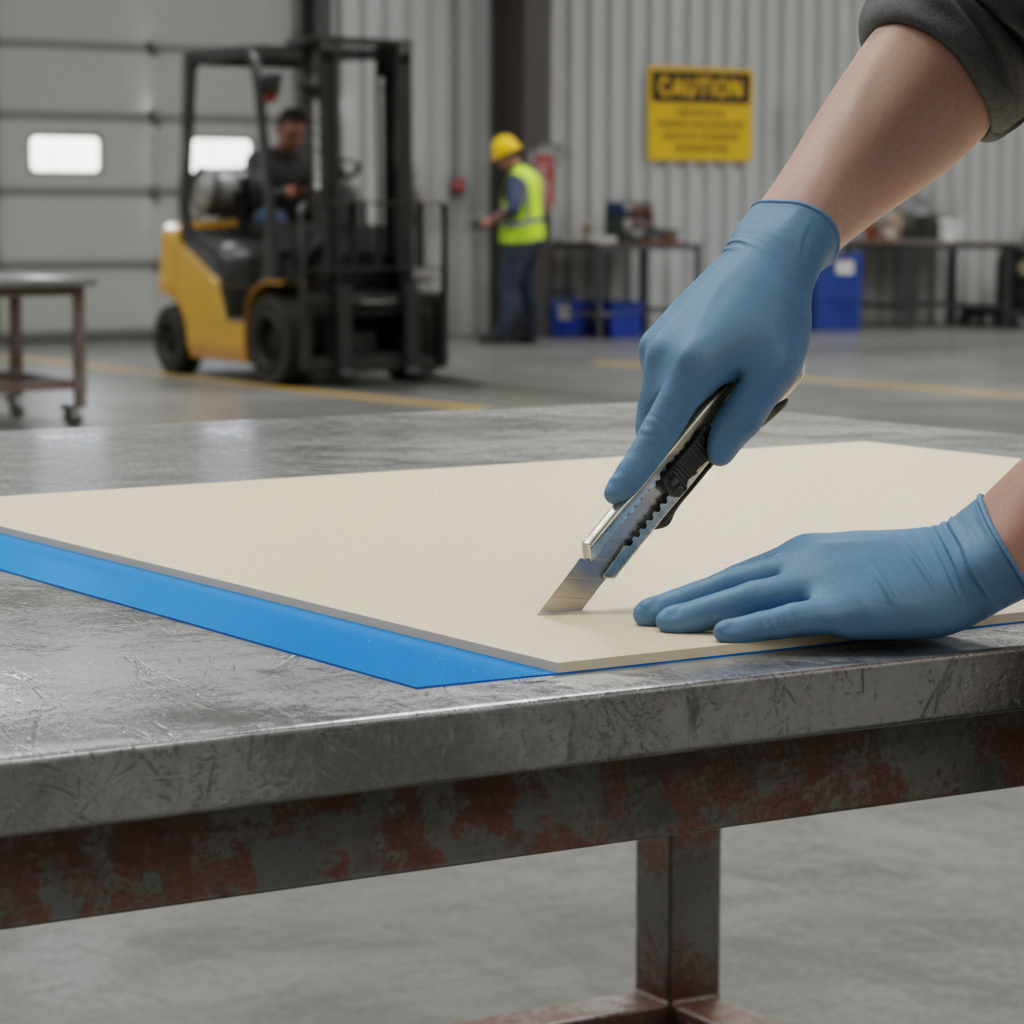
Yes, the sheet can be cut, drilled and machined using standard woodworking or metalworking tools suitable for plastics, such as saws with fine-toothed blades, routers and drills. Using sharp tools and appropriate cutting speeds will help achieve clean edges and minimise heat build-up.
Is the sheet suitable for continuous use at high temperatures?
The sheet offers good heat resistance and is suitable for use in elevated temperature environments typically encountered in industrial settings. However, it is still a thermoplastic, so maximum service temperatures should be observed, and prolonged exposure to extreme heat or direct flame should be avoided.
How do I choose the right thickness and sheet size for my application?
Select the thickness based on the mechanical load, span and rigidity required: thinner sheets (3 mm, 4.5 mm) suit light-duty covers, while thicker sheets (6 mm, 9 mm, 12 mm) are better for structural and wear applications. Choose the sheet length and width that allow you to nest your parts efficiently, reducing waste and ensuring adequate coverage for the largest components you need to produce.