


Our Clients
Description
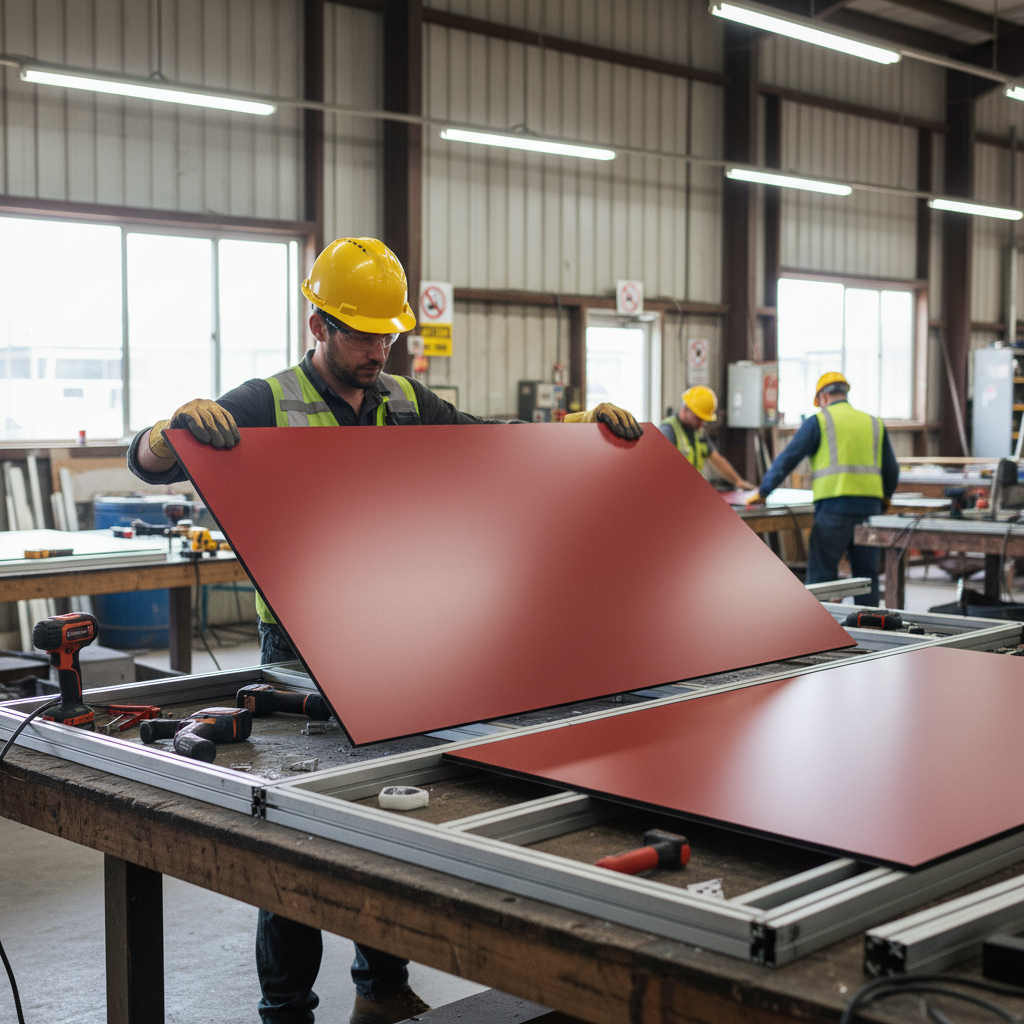
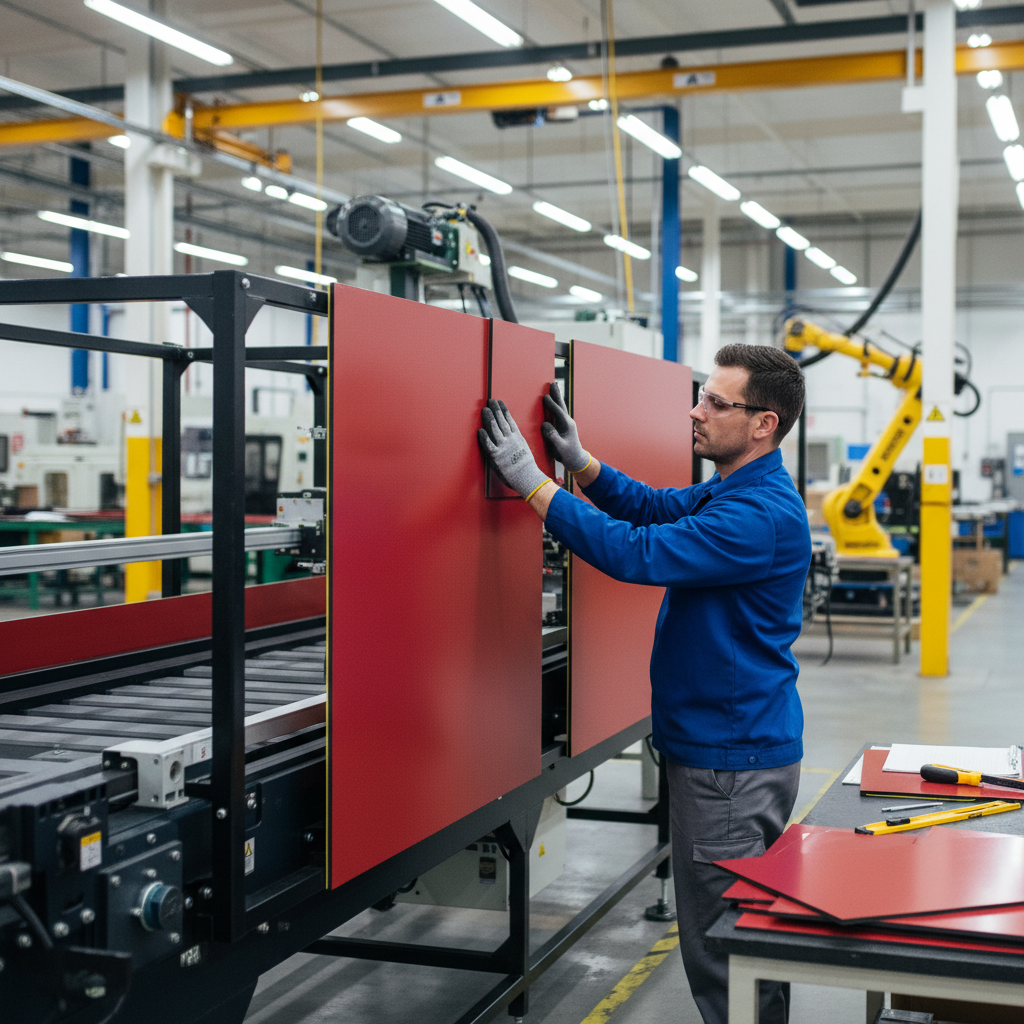
These high-performance aluminium composite panel sheets offer a lightweight yet rigid solution for interior and exterior cladding, signage, and display applications. Constructed with a 0.3 mm aluminium skin, they provide excellent flatness and stability while remaining easy to handle, cut, and install on site.
Engineered for durability and versatility, the panels are suitable for shopfront signs, exhibition displays, wayfinding boards, and decorative wall cladding. Their robust composite structure ensures long-lasting performance in demanding environments, making them a reliable choice for professional installers, sign makers, and fit-out contractors.
Product Features
- Composite panel construction with 0.3 mm aluminium skins for strength and rigidity.
- Standard panel thickness of 3 mm for a good balance of stiffness and low weight.
- Available sheet lengths: 2500 mm and 3050 mm to suit a range of project sizes.
- Available sheet widths: 1250 mm and 1500 mm for flexible layout and nesting options.
- Lightweight design for easier handling, transportation, and installation.
- Suitable for cutting, routing, drilling, and shaping with standard workshop tools.
- Ideal substrate for printed graphics, vinyl application, and painted finishes.
Key Features and Benefits
- Lightweight yet robust, reducing structural load and making installation faster and less labour-intensive.
- Excellent dimensional stability provides a smooth, flat surface for high-quality graphics and signage.
- Corrosion-resistant aluminium faces deliver long service life in both indoor and outdoor environments when correctly finished.
- Easy to fabricate and machine, allowing precise custom shapes, cut-outs, and edge details.
- Versatile sizing options (lengths 2500/3050 mm, widths 1250/1500 mm) help minimise waste and optimise panel layout.
- Low maintenance surface that is simple to clean and keep presentable in high-visibility locations.
Specifications
| Specification | Detail |
|---|---|
| Panel construction | Aluminium composite sheet with 0.3 mm aluminium skins and composite core |
| Overall thickness | 3 mm (nominal) |
| Available sheet lengths | 2500 mm, 3050 mm |
| Available sheet widths | 1250 mm, 1500 mm |
| Material | Aluminium/composite panel, suitable for interior and exterior use when appropriately finished |
| Typical fabrication | Can be sawn, routed, drilled, and edge-finished using standard metalworking or woodworking tools |
Applications and Ideal Uses
These aluminium composite panel sheets are designed for a wide range of architectural, commercial, and display applications where a lightweight, rigid and smooth substrate is required.
- Shopfront and fascia signage panels for retail units and commercial buildings.
- Exhibition and trade show displays, backdrops, and graphic panels.
- Interior wall cladding and feature panels in offices, receptions, and corridors.
- Directional, information, and safety signage in public and industrial spaces.
- Display boards, mounting substrates, and presentation panels for graphics and artwork.
Frequently Asked Questions
Can these aluminium composite panel sheets be used outdoors?
Yes, the aluminium composite construction is suitable for exterior use when the surface is correctly finished, painted, or overlaid with appropriate graphic films. Proper installation and sealing of edges will help maximise weather resistance and service life.
What tools are needed to cut and shape the panels?
The panels can be cut and fabricated using standard workshop tools such as circular saws with suitable blades, routers, and drills. Always use sharp tools designed for metal or composite materials and follow best practice for safe cutting and dust extraction.
Are the panels suitable as a structural element?
No, these aluminium composite panels are intended as a cladding and signage substrate rather than a primary structural component. They should be mounted onto an appropriate supporting framework or substructure according to the requirements of the specific installation.