


Our Clients
Description
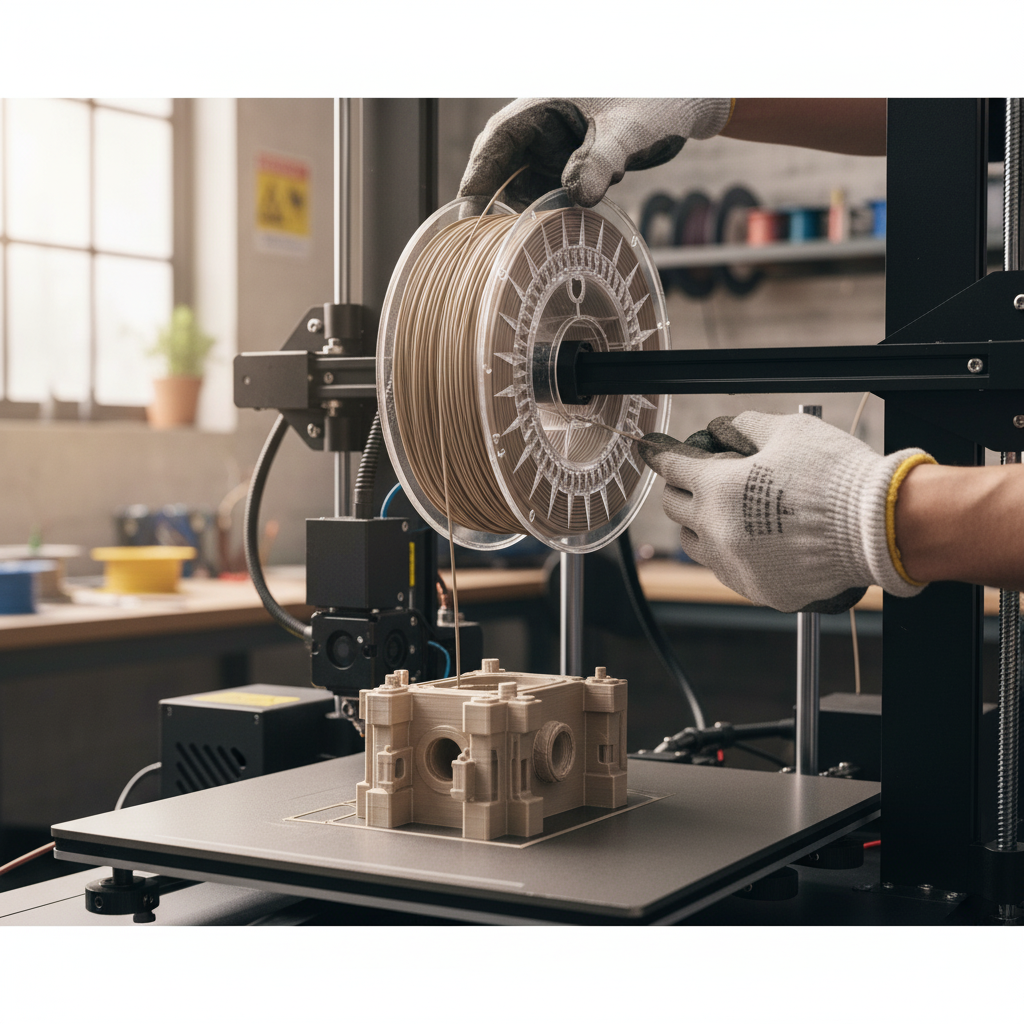
This high-performance 3D printing filament is engineered for demanding engineering and industrial applications where strength, stability and reliability are essential. Manufactured from a robust engineering-grade polymer, it delivers outstanding thermal and chemical resistance, making it suitable for functional parts, jigs, fixtures and prototypes that must perform in real-world conditions.
Compatible with all standard FDM/FFF 3D printers that accept 1.75 mm filament, this material prints with excellent layer adhesion and dimensional accuracy. Supplied in practical spool weights, it is ideal for workshops, design studios, laboratories and production environments that require consistent, repeatable results from their 3D printing processes.
Product Features
- Available filament diameter of 1.75 mm for use with the most common desktop and professional 3D printers.
- Choice of 200 g or 1000 g spool weights to suit short test runs or extended production jobs.
- Supplied in a natural, uncoloured finish for easy visual inspection of print quality and post-processing.
- High thermal resistance for improved performance in elevated temperature environments.
- Excellent chemical resistance to many oils, greases and common industrial fluids.
- Optimised for FDM/FFF printing with stable extrusion and strong inter-layer bonding.
- Low warping formulation to aid successful printing of larger or more intricate components.
Key Features and Benefits
- Delivers durable, functional parts that maintain strength and stiffness under mechanical load.
- Withstands higher operating temperatures than standard hobby-grade filaments, widening the range of usable applications.
- Resists attack from many chemicals, extending service life in workshop, laboratory and light industrial environments.
- Natural colour finish supports inspection, dimensional checking and subsequent painting or finishing if required.
- Wide printer compatibility at 1.75 mm diameter reduces the need for dedicated equipment or costly upgrades.
- Smaller and larger spool options help you manage material costs, storage and machine downtime efficiently.
Specifications
| Specification | Detail |
|---|---|
| Material type | Engineering-grade thermoplastic filament for FDM/FFF 3D printing |
| Filament diameter | 1.75 mm (nominal), compatible with standard 1.75 mm printers |
| Available spool weights | 200 g, 1000 g |
| Colour | Natural |
| Printer compatibility | All standard FDM/FFF 3D printers designed for 1.75 mm filament |
| Typical properties | High thermal and chemical resistance; strong inter-layer adhesion; low warpage |
Applications and Ideal Uses
This engineering filament is suited to professional users and serious makers who require robust, dimensionally stable parts for practical use rather than purely decorative models.
- Fabrication of jigs, fixtures and production aids for workshops and assembly lines.
- Functional prototypes that must be tested under real operating conditions.
- Custom tooling, brackets and housings exposed to moderate heat or chemicals.
- Laboratory fixtures, holders and test components requiring chemical resistance.
- Small-batch end-use parts for maintenance, repair and operational tasks.
Frequently Asked Questions
Is this filament compatible with my 3D printer?
This filament is compatible with any FDM/FFF 3D printer designed to use 1.75 mm filament. Check your printer’s specification to confirm it supports 1.75 mm material and that the recommended temperature range for the printer’s hot end and bed is suitable for engineering-grade thermoplastics.
Which spool weight should I choose for my project?
The 200 g spool is ideal for trials, small prototypes and occasional use, offering a cost-effective way to test the material. The 1000 g spool is better for frequent printing, larger parts or small production runs, reducing the need for spool changes and helping maintain consistent print quality over longer jobs.
Do I need a heated bed or enclosed build chamber to use this filament?
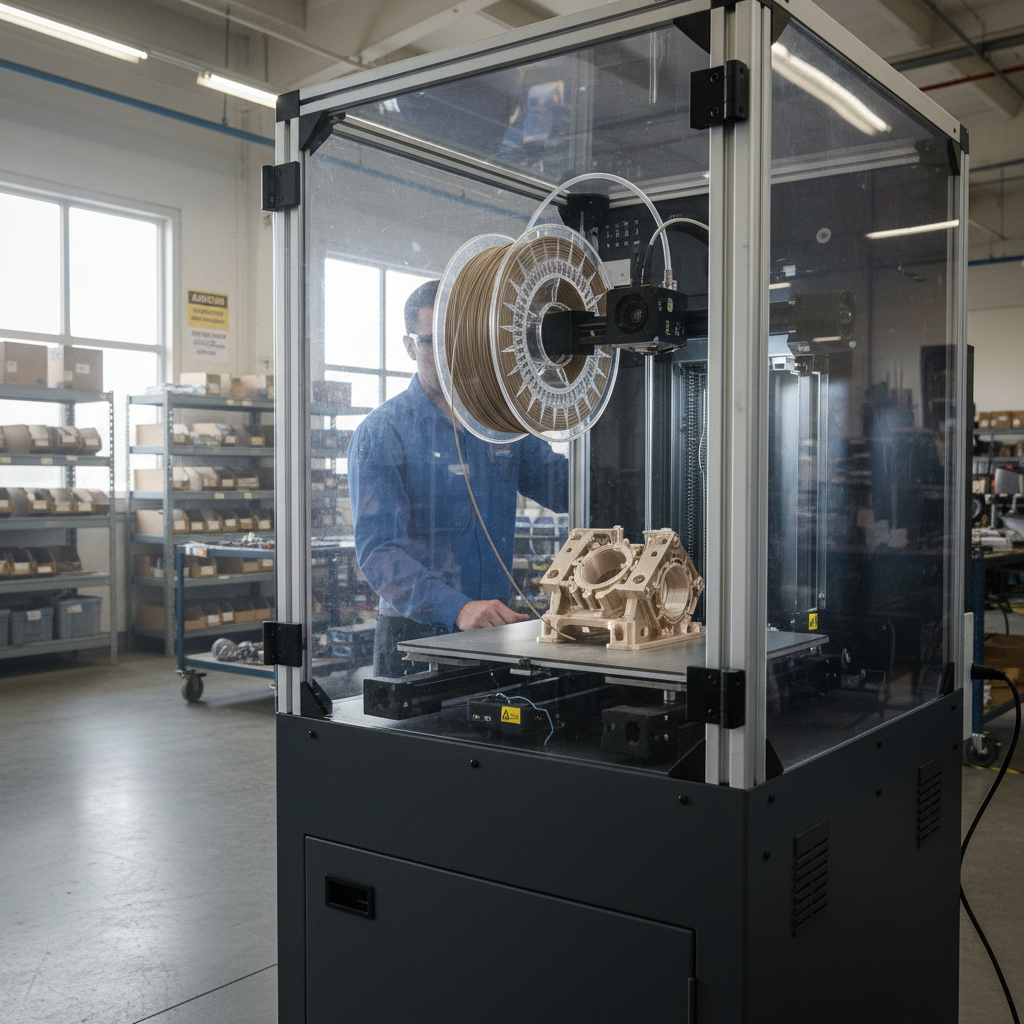
A heated bed is strongly recommended to minimise warping and improve first-layer adhesion, especially for larger parts. An enclosed build chamber can further enhance print consistency and reduce the risk of distortion when printing more complex or bulky components, although it may not be essential for smaller items.