



Our Clients
Description
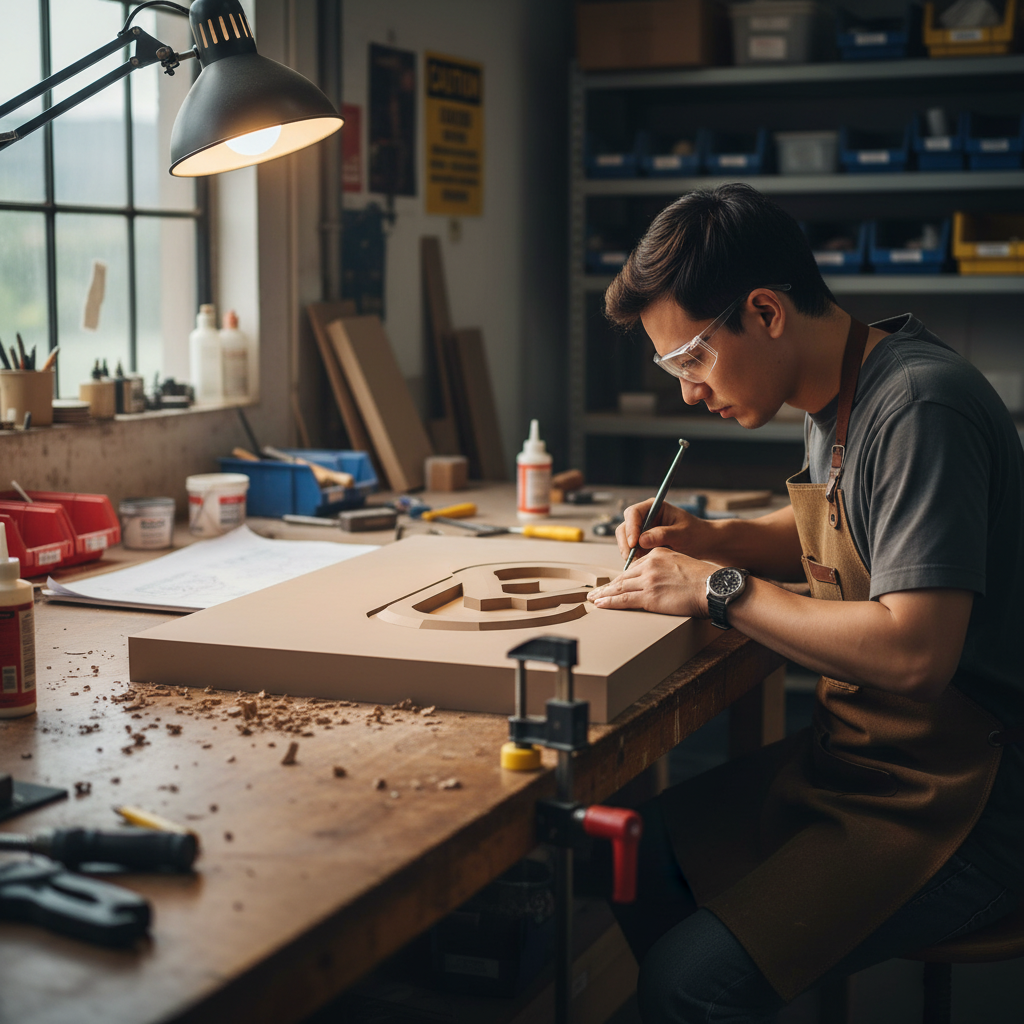
This premium high density polyurethane model board sheet is designed for precision pattern-making, mould production and detailed design work where accuracy and stability are paramount. With a fine, uniform cell structure, it machines cleanly and consistently, allowing intricate detail and smooth surfaces straight from the tool.
Ideal for use in design studios, architectural practices, model shops and industrial pattern rooms, these sheets provide a reliable base material for master patterns, prototype models, thermoforming tools and composite moulds. Available in a choice of thicknesses and sheet sizes, they offer the flexibility to match a wide range of project scales and machining setups.
Product Features
- High density polyurethane model board for professional pattern and mould making.
- Available in 50 mm and 100 mm thicknesses to suit both light detailing and deep profiling work.
- Sheet lengths of 250 mm, 500 mm and 1500 mm for small models through to larger tools and patterns.
- Sheet widths available in 250 mm and 500 mm formats to optimise material usage and nesting.
- Fine, uniform structure for excellent machining behaviour with minimal tool wear.
- High dimensional stability to maintain accuracy during and after machining.
- Suitable for bonding and laminating to create larger blocks where required.
Key Features and Benefits
- Excellent dimensional stability helps maintain tight tolerances and repeatable results across multiple parts.
- Clean, predictable machining reduces finishing time and improves surface quality for painting or sealing.
- High density structure provides good edge strength, allowing sharp detail and thin wall sections where needed.
- Versatile sheet sizes and thicknesses minimise waste and allow efficient layout of patterns and components.
- Compatible with common adhesives and coatings used in model making, tooling and architectural prototyping.
- Reliable base material for master models and moulds, supporting consistent quality in downstream production.
Specifications
| Specification | Detail |
|---|---|
| Material | High density polyurethane model board |
| Available thicknesses | 50 mm, 100 mm |
| Available sheet lengths | 250 mm, 500 mm, 1500 mm |
| Available sheet widths | 250 mm, 500 mm |
| Typical applications | Patterns, moulds, design models, jigs and fixtures |
| Machining suitability | Suitable for CNC routing, milling, manual machining and hand finishing |
Applications and Ideal Uses
This polyurethane model board is suited to a wide range of design, architectural and industrial modelling tasks where precision, stability and clean machining are essential.
- Architectural scale models, façade studies and detailed building components.
- Master patterns and moulds for composites, casting and thermoforming processes.
- Industrial design prototypes and ergonomic mock-ups.
- Jigs, fixtures and templates for machining or assembly operations.
- Concept models and display pieces for exhibitions and presentations.
Frequently Asked Questions
Can these polyurethane model board sheets be machined on a standard CNC router?
Yes. The sheets are suitable for machining on standard CNC routers and milling machines using sharp carbide or similar tooling. Their fine, uniform structure allows clean cutting, but speeds and feeds should be adjusted to avoid excessive heat build-up.
How do I join sheets if I need a larger block for a pattern or mould?
Sheets can be bonded together using a compatible structural adhesive recommended for polyurethane boards. Edges should be clean and dry, and the assembly clamped or weighted until the adhesive has fully cured to ensure a stable and accurate block.
Is the model board suitable for painting or sealing after machining?
Yes. After machining and light sanding, the surface can be sealed with appropriate primers or sealers and then painted or finished as required. Using a sealer helps to achieve a smoother surface and improves the durability of the finished model or mould.