


Our Clients
Description
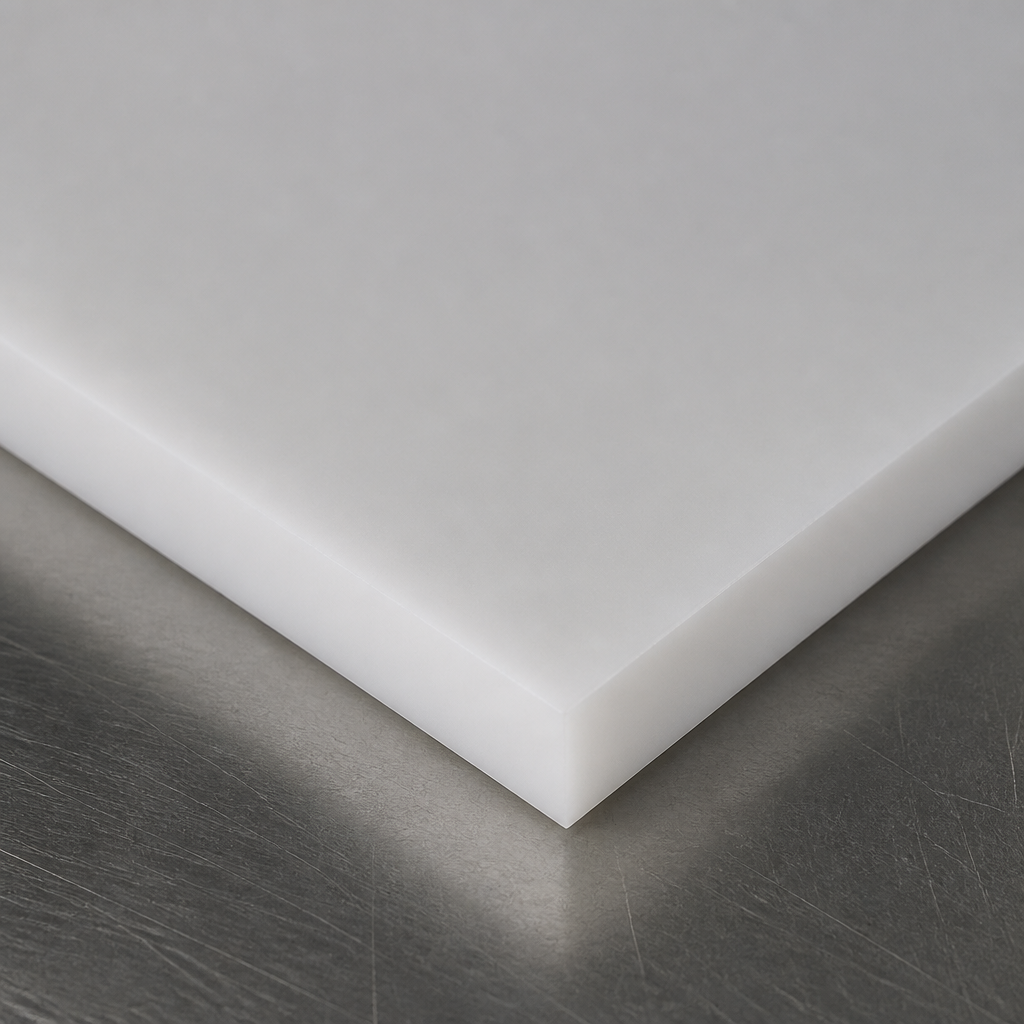
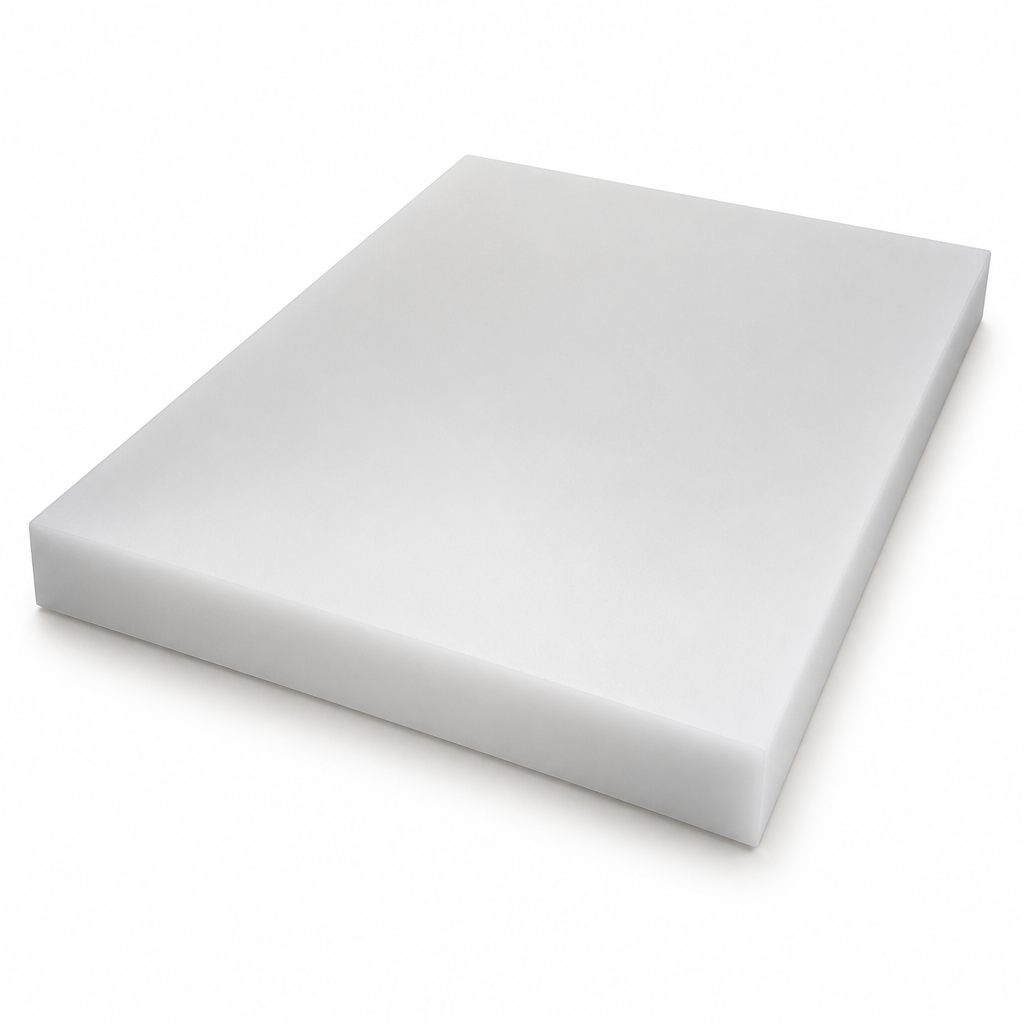
High Density Polyethylene (HDPE) sheet is a versatile engineering plastic ideal for various applications. It is lightweight, strong, and food compliant, making it suitable for food production environments.
Material Properties
High Density Polyethylene (HDPE) is a lightweight material with a specific gravity of 0.96. It offers excellent sliding properties, good chemical resistance, low moisture absorption, and high impact strength in temperatures ranging from -50°C to +80°C.
Applications
HDPE sheet is widely used in various industries, including pumps, tank construction, gaskets, medical applications, and components for the food industry. Its versatility makes it suitable for both industrial and domestic kitchen environments.
Advantages of HDPE Sheet
HDPE sheet is known for its low friction properties, making it an excellent choice for wear strips on conveyors and production lines. It is food safe, kind to knife blades, and helps maintain knife sharpness, making it ideal for food preparation.
Considerations
While HDPE sheet is economical and abrasion resistant, it may not be suitable for environments requiring high impact resistance. It is softer than some other engineering plastics, and bonding to surfaces can be challenging, necessitating mechanical fixing.
Specifications
- Material: High Density Polyethylene (HDPE)
- Specific Gravity: 0.96
- Temperature Range: -50°C to +80°C
- Food Compliant: Yes
- Available Grades: HDPE 300 and HDPE 500
Benefits
- Safe for food preparation
- Durable and abrasion resistant
- Low friction for wear strip applications
- Kind to knife blades
Use Cases
- Pumps
- Tank construction
- Gaskets
- Medical applications
- Components for the food industry
FAQ
Q: What is HDPE sheet used for?
A: HDPE sheet is used in various applications including food preparation, tank construction, and as wear strips on conveyors.
Q: Is HDPE sheet food safe?
A: Yes, HDPE sheet is food compliant and safe for food preparation.