


Our Clients
Description
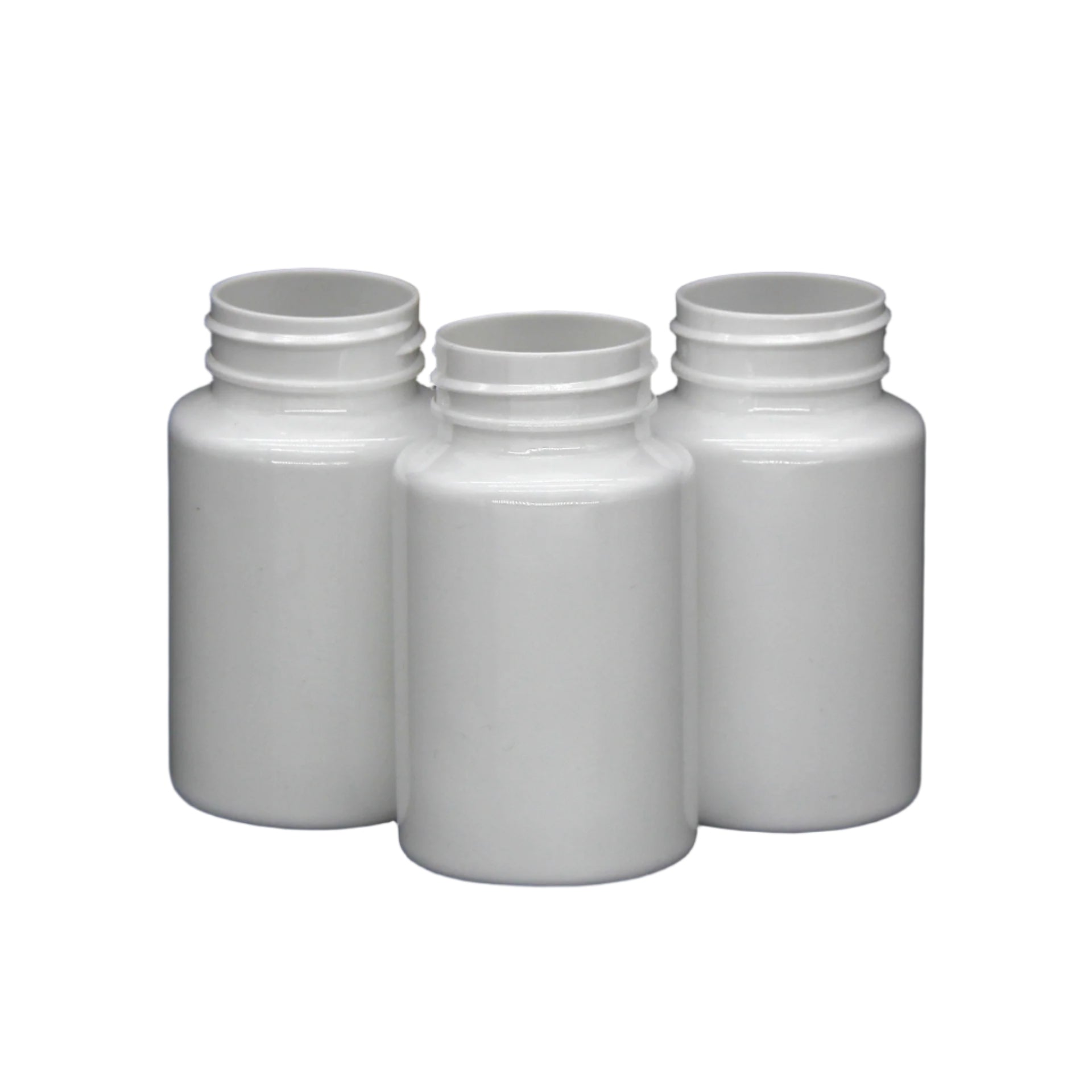
This HDPE plastic Medipac pot is a robust, hygienic container designed specifically for medical, pharmaceutical and laboratory environments. Manufactured from high density polyethylene, it offers excellent resistance to moisture and impact, helping to safeguard tablets, capsules, powders and small medical components during storage and transport.
Available in a clean white finish with a choice of secure 38mm screw closures, this pot range is ideal where product integrity and patient safety are paramount. With capacities from 90ml to 250ml and the option of a standard lined screw cap or a child resistant cap, it provides a reliable, compliant-ready solution for pharmacies, clinics, laboratories and healthcare manufacturers.
Product Features
- Manufactured from durable white HDPE (high density polyethylene) for strength and reliability.
- Available capacities: 90ml, 150ml, 175ml and 250ml to suit a wide range of fill volumes.
- 38mm white lined screw cap option for a tight, secure closure and product protection.
- 38mm white child resistant cap option to help prevent accidental opening by children.
- Smooth, opaque white finish for a clean clinical appearance and easy labelling.
- Wide-mouth design for straightforward filling and convenient access to contents.
- Supplied as a coordinated pot and closure system for consistent performance across sizes.
Key Features and Benefits
- Protects sensitive contents with HDPE construction that resists moisture, impact and many common chemicals.
- Supports patient safety and compliance through the availability of a child resistant closure where required.
- Optimises storage and dispensing with a choice of four practical capacities from 90ml to 250ml.
- Enhances organisation and identification thanks to the uniform white colour and smooth surfaces for labelling or printing.
- Simplifies handling and filling processes with a wide opening and secure, easy-to-grip screw caps.
- Suitable for repeated daily use in busy clinical and laboratory environments due to its robust design.
Specifications
| Specification | Detail |
|---|---|
| Material | High density polyethylene (HDPE) pot with polypropylene or similar plastic screw caps |
| Colour | White, opaque |
| Available capacities | 90ml, 150ml, 175ml, 250ml |
| Neck finish / Closure size | 38mm screw neck compatible with 38mm Medipac screw caps |
| Cap options | 38mm white lined screw cap or 38mm white child resistant cap |
| Typical use temperature range | Suitable for standard ambient storage conditions (not for high-temperature sterilisation) |
Applications and Ideal Uses
Designed for secure storage of solid and powdered products, these HDPE Medipac pots are widely used across medical, pharmaceutical and laboratory settings.
- Packaging of tablets, capsules and nutritional supplements in pharmacies or production facilities.
- Storage of diagnostic powders, reagents and sample media in laboratories.
- Holding small medical devices, dressings or consumables in clinics and hospitals.
- Dispensing of clinical trial materials and investigational medicinal products.
- Organised storage of healthcare and veterinary products in practice or dispensary environments.
Frequently Asked Questions
Are these HDPE Medipac pots suitable for direct contact with medicines?
The pots are made from HDPE commonly used for pharmaceutical and medical packaging. However, it is the responsibility of the user to confirm suitability and compliance with relevant regulations and pharmacopoeial requirements for their specific product and process.
What is the difference between the lined screw cap and the child resistant cap?
The 38mm white lined screw cap provides a secure, reliable seal with a lining that helps protect the contents from moisture and contamination. The 38mm white child resistant cap incorporates a safety mechanism that requires a combined push-and-turn or similar action to open, helping to reduce the risk of children gaining access to the contents.
Can these pots be sterilised before use?
The pots are intended for use under normal ambient conditions and are not designed for high-temperature sterilisation methods such as autoclaving. If sterilisation is required, users should assess appropriate validated methods (for example, chemical or gamma treatment) and confirm compatibility with both the container and their product.