


Description
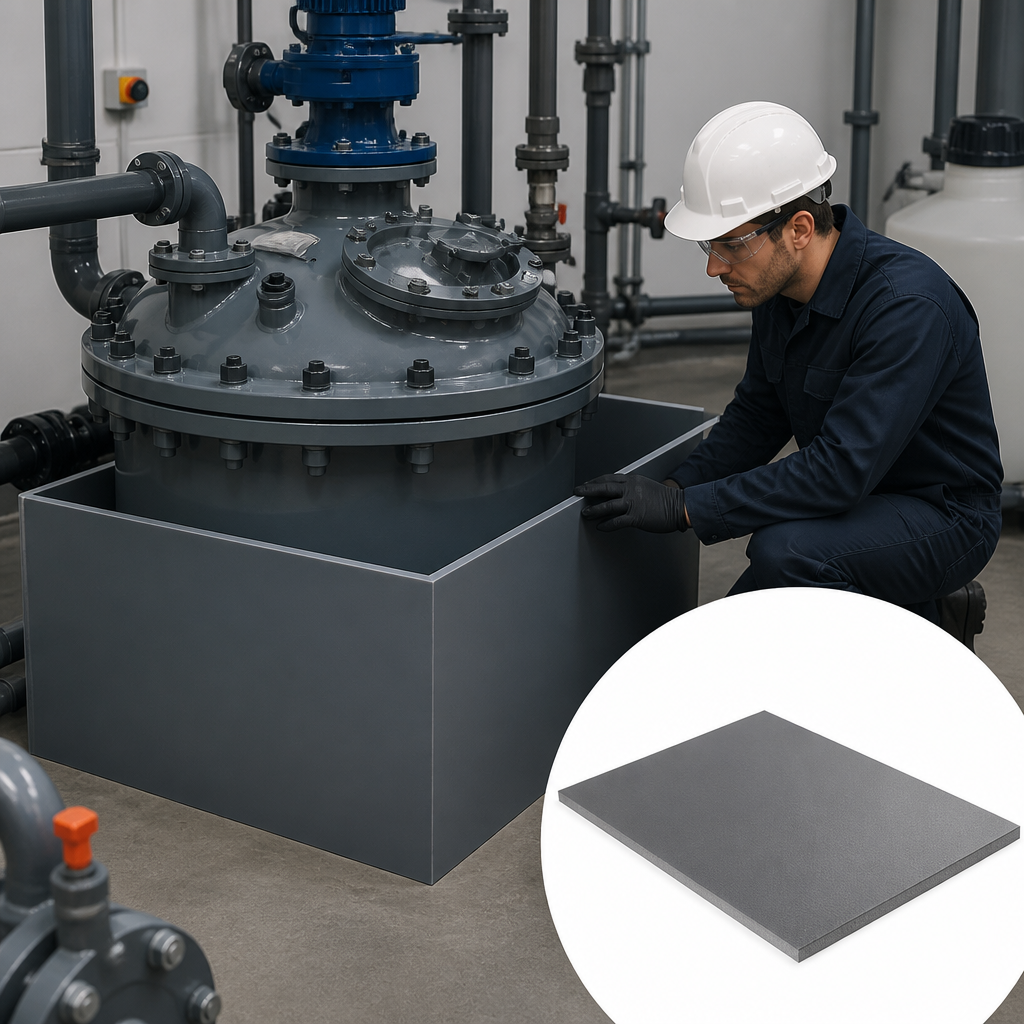
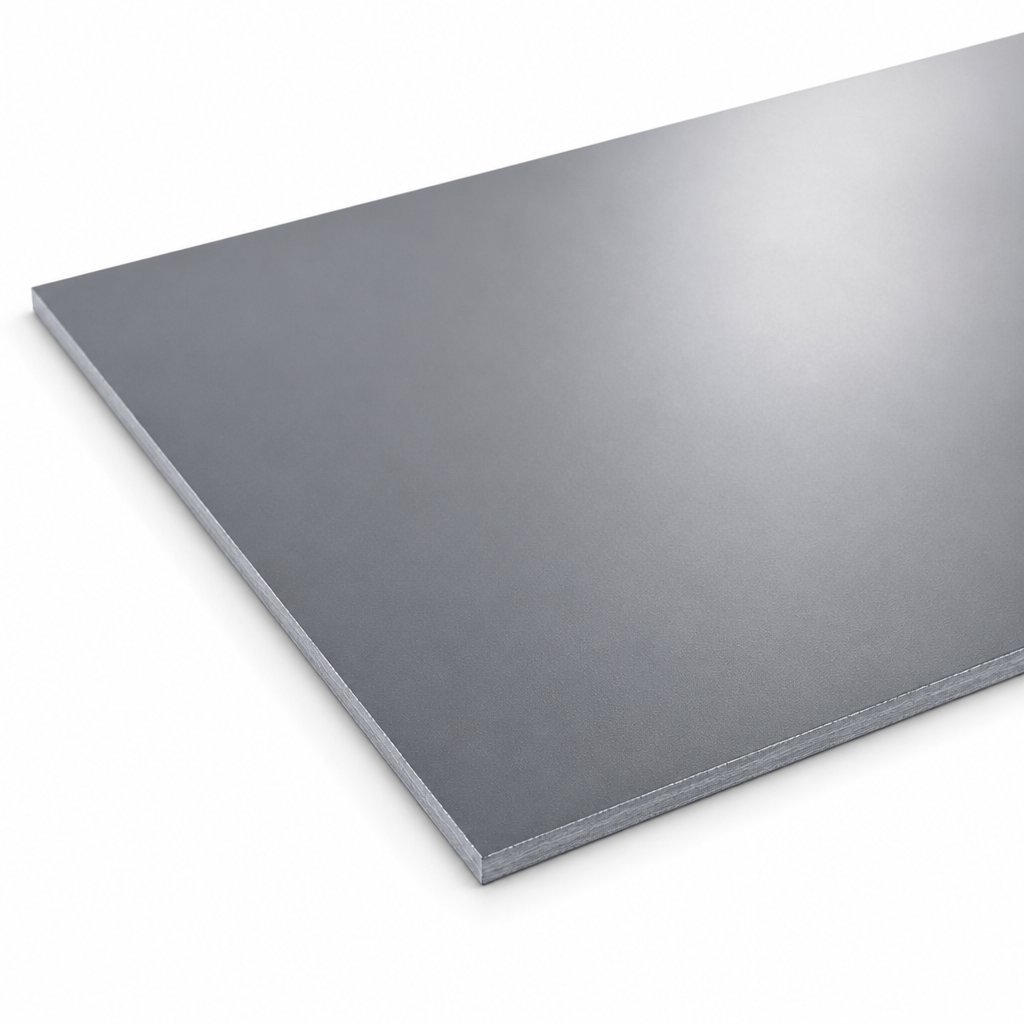
This Unplasticised Polyvinyl Chloride (U-PVC) sheet is strong, chemical resistant, and self-extinguishing. Ideal for various industrial applications.
Material Properties
The PVC sheet is made from Unplasticised Polyvinyl Chloride, known for its self-extinguishing properties and excellent chemical resistance. It has high mechanical and tensile strength, making it a stable choice for various applications.
Machining Characteristics
PVC sheets can be easily machined to a polished finish. They are compatible with solvent cements and can be welded. For best results, use double-edged milling cutters and specific saw blades for cutting.
Applications and Uses
Commonly used in corrosive fluid handling, valves, tanks, and air conditioning systems, PVC sheets are also suitable for cladding, electrical insulators, and fabricated fittings.
Advantages and Limitations
PVC sheets offer good hardness, moisture resistance, and dimensional stability. However, they are not ideal for high-temperature applications or continuous food contact due to their lower heat stability.
Specifications
- Material: Unplasticised Polyvinyl Chloride (U-PVC)
- Operating Temperature Range: 0°C to +60°C
- Thickness Available: 1.5mm to 50mm
- Colour: Grey
- Flame Retardant Grades: Available
- Chemical Resistance: High
- Self-Extinguishing: Yes
- UV Stabilized Grades: Available
- Food Compliant Grades: Available
Benefits
- Long-lasting and durable
- Reduces maintenance and repair needs
- Versatile for various industrial applications
- Good fire resistance
Use Cases
- Corrosive fluid handling
- Valves
- Tanks
- Water applications
- Air conditioning & ventilation systems
FAQ
Q: Is PVC sheet suitable for food applications?
A: PVC sheet is not currently FDA approved for food applications.
Q: What are the machining characteristics of PVC sheet?
A: PVC machines well, leaving a polished finish, and can be bonded with various adhesives.
Q: What is the temperature limit for PVC sheet?
A: PVC sheet begins to decompose at 140°C and has a melting point of 160°C.
All sizes & prices
91 sizes · prices include VAT · tap a price to select that size
1.5mm
2mm
3mm
4mm
4.5mm
5mm
6mm
8mm
10mm
Need a size that isn't listed? We cut to order. Request a quote or call 01744 520110.
Supplying UK engineers, manufacturers and public bodies


