


Our Clients
Description
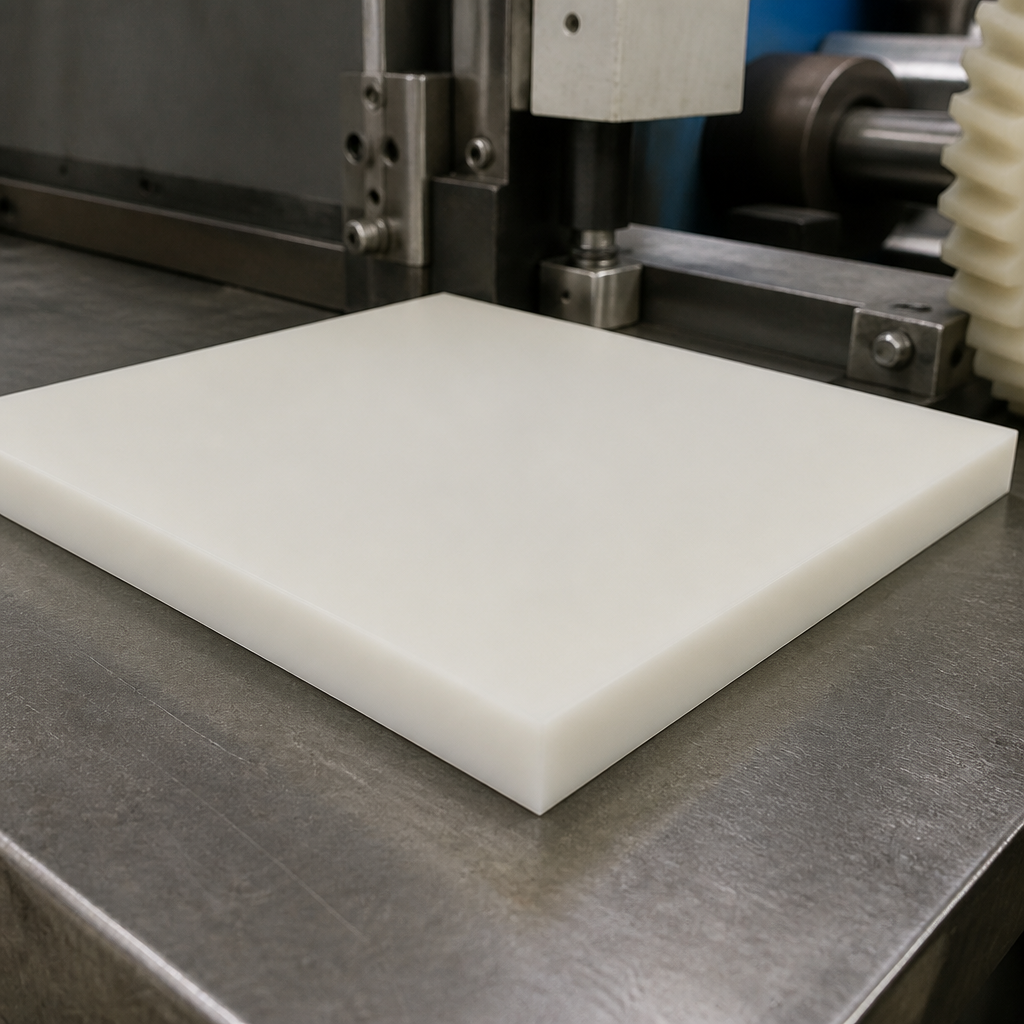
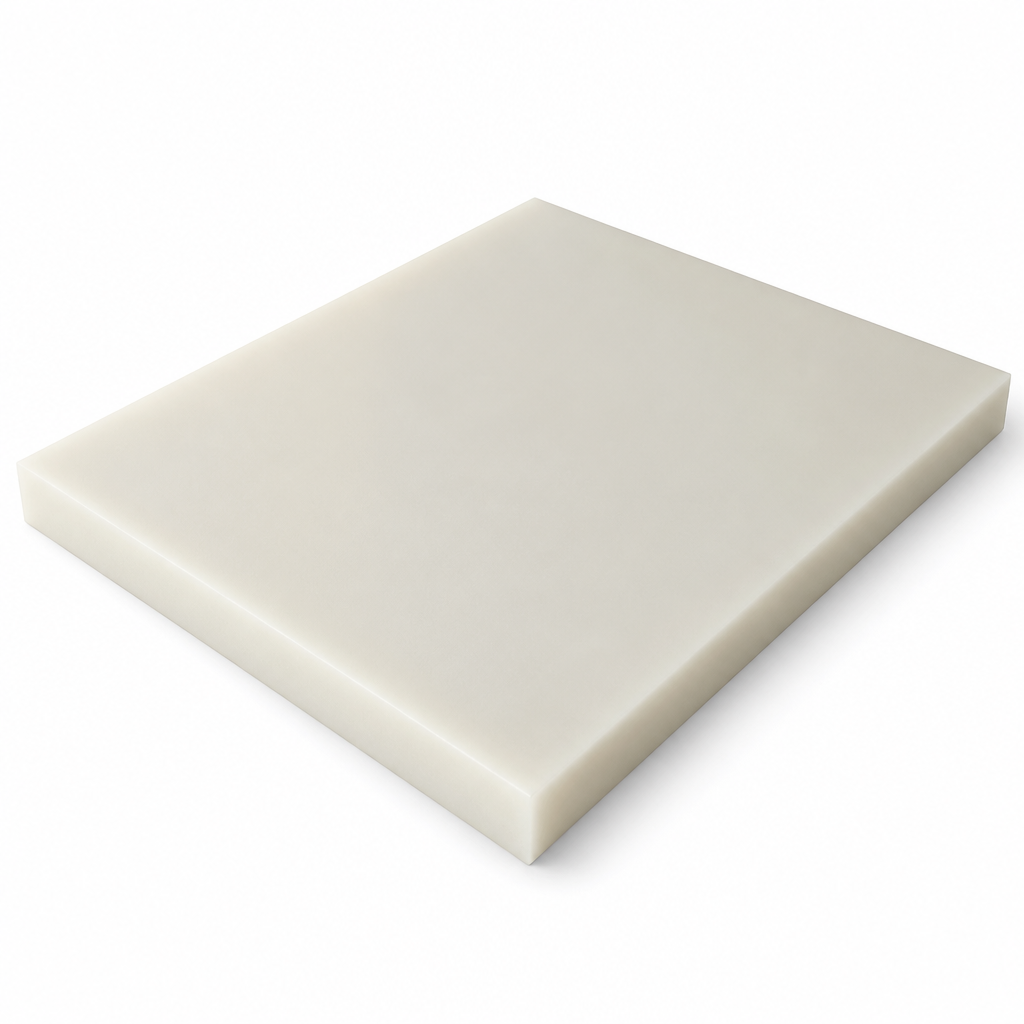
Cast Nylon 6 Sheet is a versatile engineering plastic known for its strength and durability. Ideal for various applications including gears and bearings.
Material Properties
Cast Nylon 6, also known as Polyamide 6, offers superior characteristics compared to extruded nylon. It features higher strength, stiffness, and hardness, with an operational temperature range of 0°C to +90°C. This material is food compliant and is available in larger sizes.
Machining and Fabrication
Nylon 6 Sheet can be machined easily with the right tools. It is essential to use sharp tools and maintain low heat during the machining process to achieve a good surface finish. When skimming thickness, ensure equal removal from both faces to maintain flatness.
Applications
Common applications for Cast Nylon 6 include large gears, bearings, bushes, gear racks, crane sheaves, and boom pads. The material's excellent wear resistance makes it suitable for demanding environments.
Advantages of Nylon 6
Nylon 6 Sheet is known for its impact resistance and ability to absorb shock, making it a reliable choice over metals like bronze or brass. It operates quietly and can serve as a sacrificial component in gear systems, reducing noise and wear.
Specifications
- Material: Cast Polyamide 6
- Operating Temperature: 0°C to +90°C
- Food Compliant: Yes
- Available Sizes: Up to 100mm thick and larger sizes
- Enhanced wear and bearing characteristics with MoS2
- Good impact and fatigue resistance
- Self-lubricating and low maintenance
Benefits
- Long-lasting and durable in harsh conditions
- Economical alternative to metals
- Versatile for various engineering applications
- Reduces maintenance needs
Use Cases
- Large gears
- Bearings
- Bushes
- Gear racks
- Crane sheaves
- Boom pads
FAQ
Q: What is Nylon 6 Sheet?
A: Nylon 6 Sheet is a popular engineering plastic known for its strength, versatility, and ability to absorb shock.
Q: How do I machine Nylon 6 Sheet?
A: Use sharp tools and maintain low heat to achieve a good surface finish. Always skim both faces equally if reducing thickness.