


Description
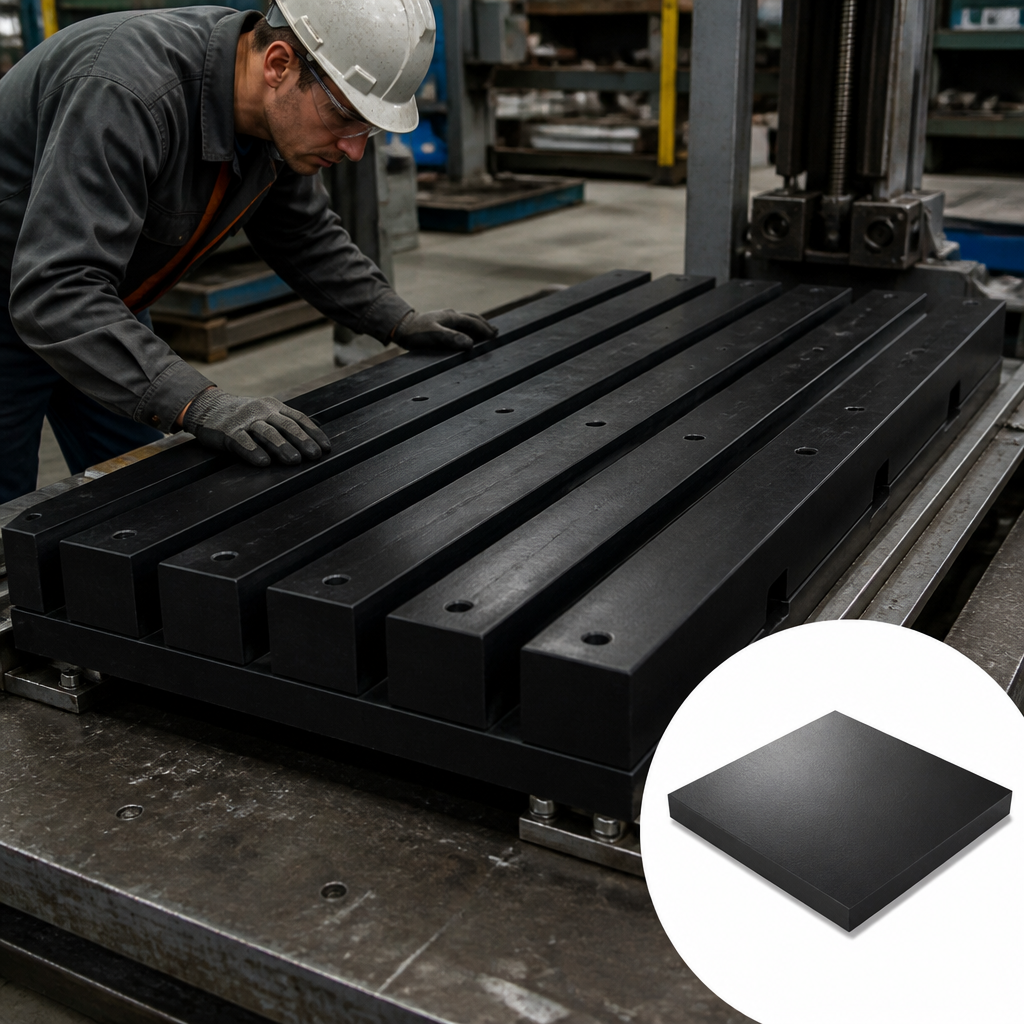
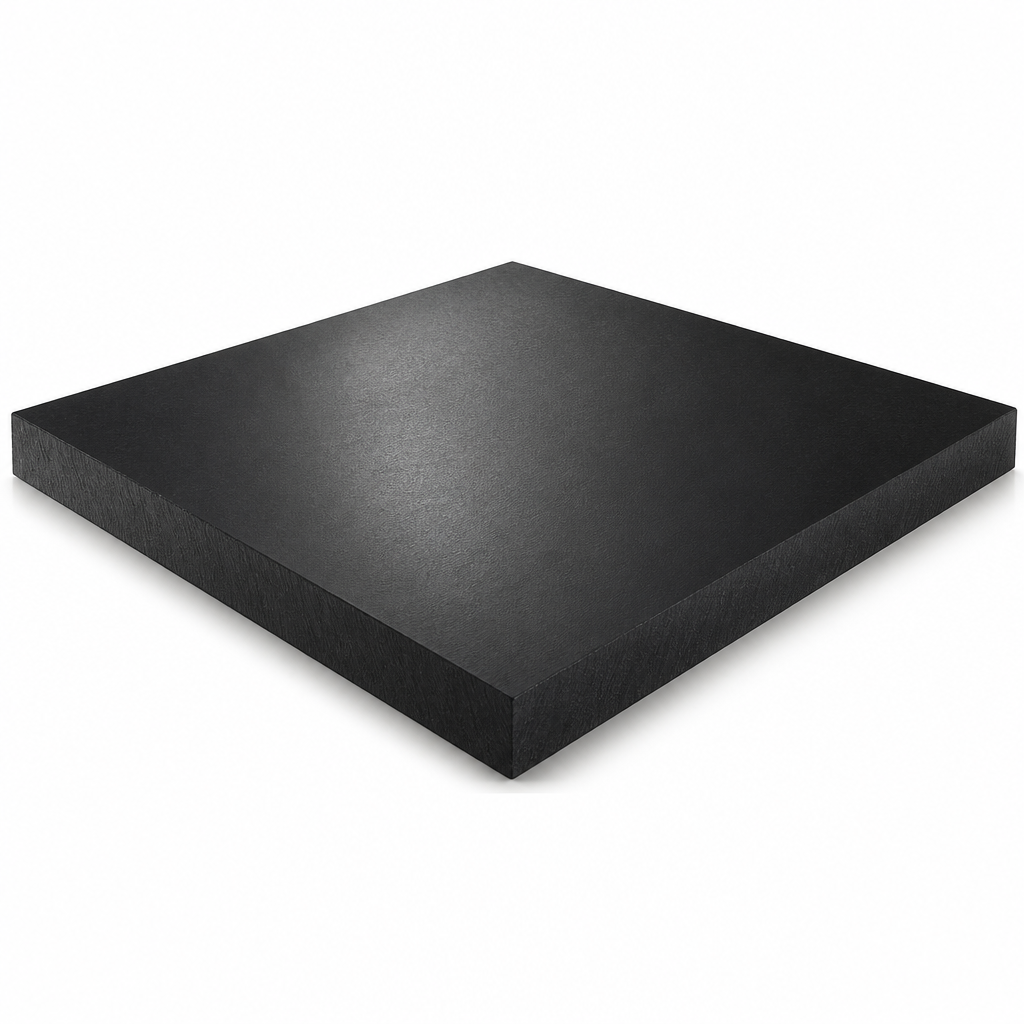
Cast Nylon 6 Black Sheet is a versatile engineering plastic known for its strength and durability. Ideal for various applications including gears and bearings.
Material Properties
Cast Nylon 6, also known as Cast Polyamide 6, offers superior characteristics compared to extruded alternatives. It features higher strength, stiffness, and hardness, with an operating temperature range of 0°C to +90°C. This material is food compliant and available in larger sizes.
Enhanced Features
The addition of molybdenum disulphide (MoS2) in the black variant of Cast Nylon 6 enhances its wear and bearing characteristics. It provides good impact resistance and is self-lubricating, requiring low maintenance.
Machining and Handling
Nylon 6 Sheet is known for its ease of machining. It can be drilled, tapped, and bored with sharp tools while keeping heat levels low to avoid surface damage. It's recommended to skim both faces evenly if thickness reduction is needed.
Applications
Common applications for Cast Nylon 6 include large gears, bearings, bushes, gear racks, crane sheaves, chain guides, boom pads, rail wheels, and various engineering components.
Specifications
- Material: Cast Polyamide 6
- Operating Temperature: 0°C to +90°C
- Food Compliant
- Enhanced bearing and wear behavior with MoS2
- Good impact and fatigue resistance
- Self-lubricating
- Available in larger sizes
Benefits
- Versatile for various engineering applications
- Long-lasting and durable in harsh conditions
- Reduces noise in operation
- Effective shock and vibration absorption
Use Cases
- Large gears
- Bearings
- Bushes
- Gear racks
- Crane sheaves
- Boom pads
FAQ
Q: What are the advantages of using Nylon 6 Sheet?
A: Nylon 6 Sheet is strong, versatile, and offers excellent wear resistance, making it ideal for various engineering applications.
Q: How should I machine Nylon 6 Sheet?
A: Use sharp tools and keep heat levels low during machining to avoid damaging the material.
All sizes & prices
33 sizes · prices include VAT · tap a price to select that size
70mm
80mm
Need a size that isn't listed? We cut to order. Request a quote or call 01744 520110.
Supplying UK engineers, manufacturers and public bodies


