


Our Clients
Description
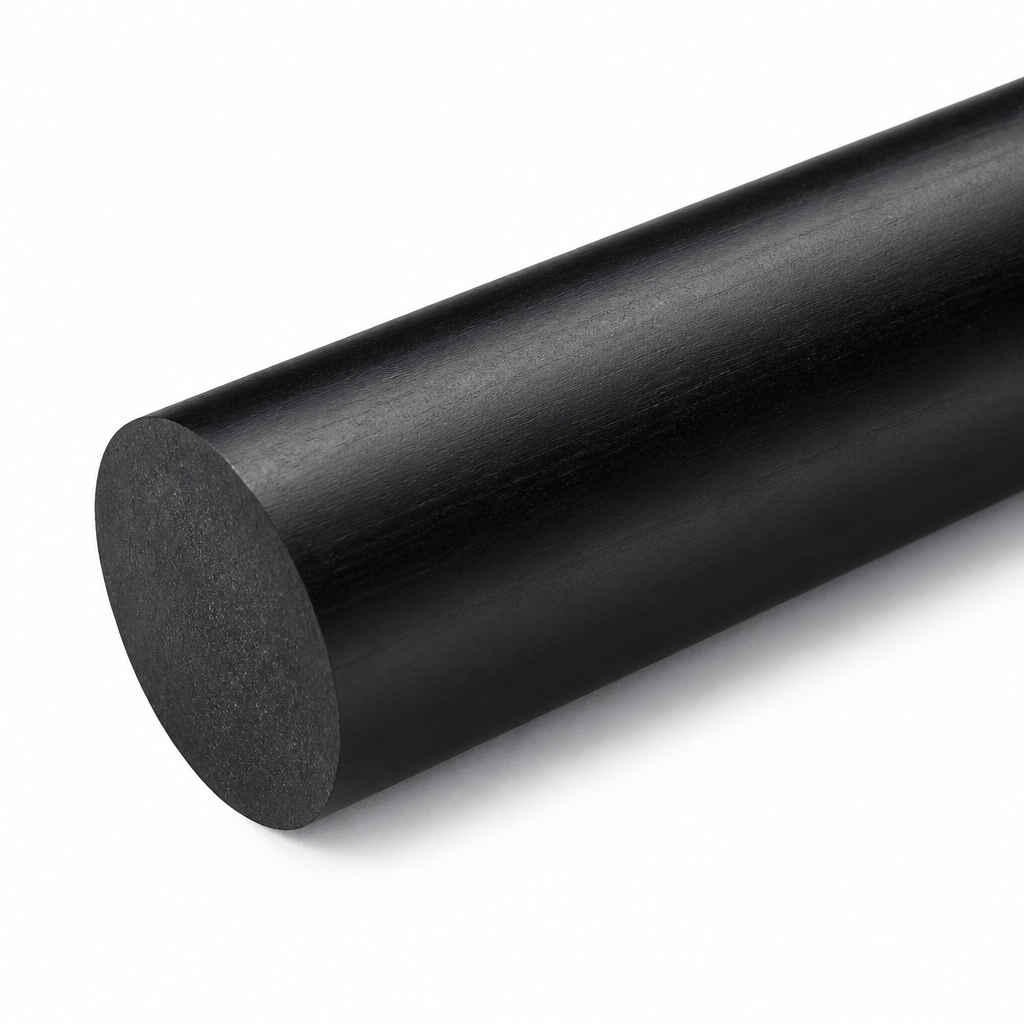
Cast Nylon 6 Rod is a versatile engineering plastic known for its high strength and durability. Ideal for various industrial applications.
Material Properties
Cast Nylon 6, also known as Cast Polyamide 6, offers superior characteristics compared to its extruded counterpart. It features higher strength, stiffness, and hardness, with an operational temperature range of 0°C to +90°C. This material is food compliant and available in larger sizes.
Enhanced Performance Features
The black variant of Cast Nylon 6 incorporates Molybdenum Disulphide (MoS2), which enhances wear resistance and provides self-lubricating properties. This results in improved bearing and wear characteristics, making it low maintenance and suitable for high-impact applications.
Manufacturing Processes
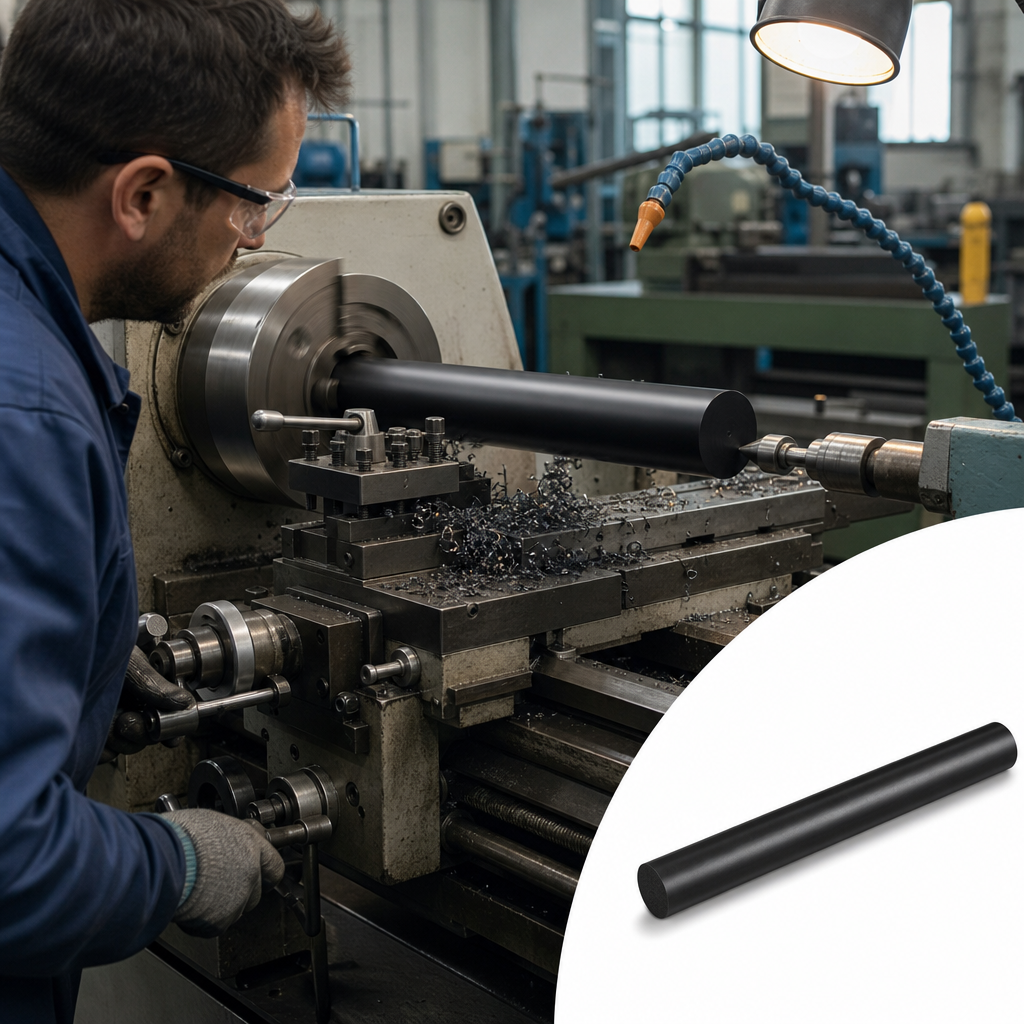
Nylon 6 Rod can be produced through two main processes: extruded and cast. Extruded Nylon 6 is cheaper and available in a wider range of diameters, but is generally softer and more prone to melting during machining. In contrast, cast Nylon 6 is easier to machine with lower internal stress, though it may occasionally have blow holes.
Applications and Uses
Nylon 6 Rod is commonly used in various applications such as large gears, bearings, bushes, gear racks, crane sheaves, and boom pads. Its exceptional strength allows it to withstand forces up to 1 tonne per square inch, making it suitable for pulleys, rollers, and gears.
Specifications
- Material: Cast Polyamide 6
- Operating Temperature: 0°C to +90°C
- Food Compliant: Yes
- Available Sizes: Various diameters from 10mm to 150mm
- Color: Black or Natural
- Self-Lubricating: Yes
Benefits
- Durable and long-lasting performance
- Versatile for various engineering applications
- Easy to machine with less internal stress
- Suitable for high-impact environments
Use Cases
- Large gears
- Bearings
- Bushes
- Gear racks
- Crane sheaves
- Boom pads
FAQ
Q: Can I drill Nylon 6 Rod?
A: Yes, but it must be drilled with caution using sharp drills and appropriate cooling methods.
Q: Does Nylon 6 Rod absorb water?
A: Yes, it can absorb moisture, which may affect the size of components in damp environments.