


Our Clients
Description
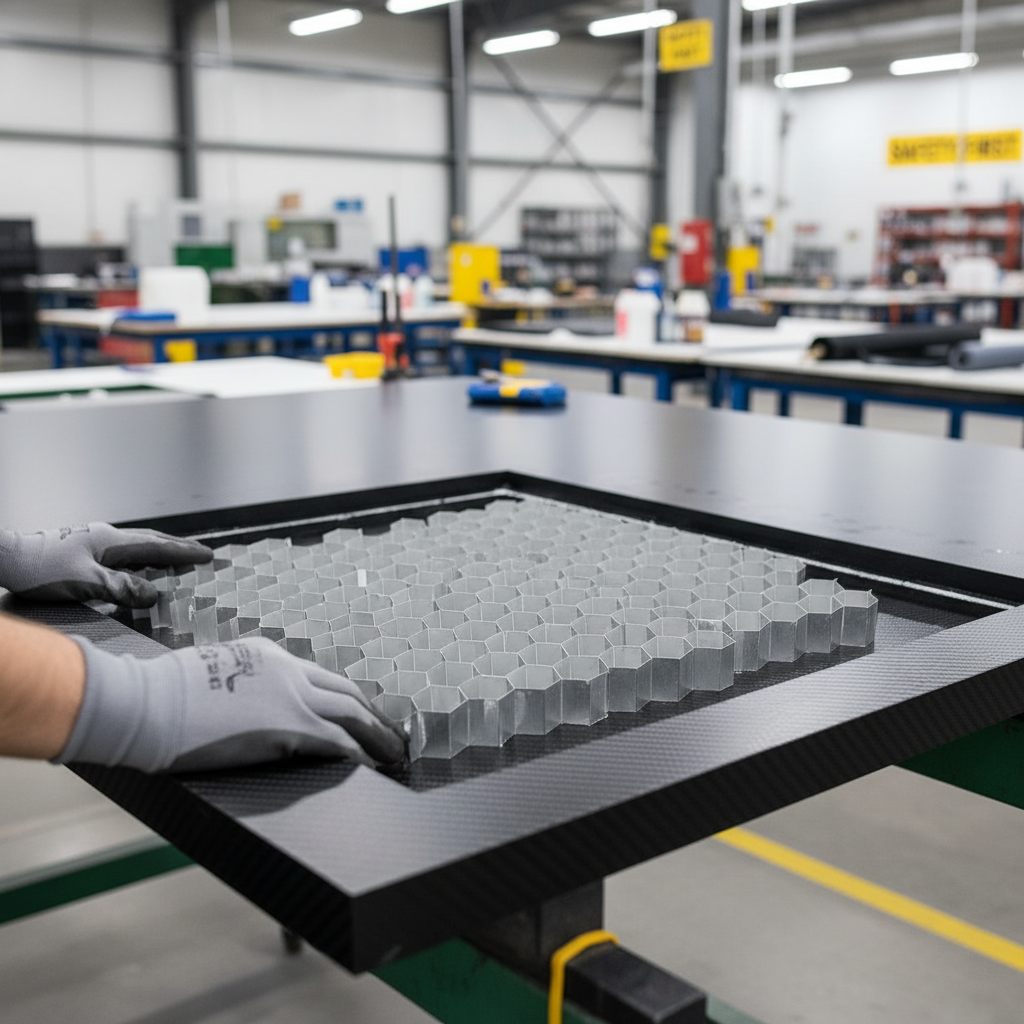
This high-performance aluminium honeycomb core with 19.1mm cell size is engineered for demanding architectural and structural applications where strength, rigidity and low weight are critical. The honeycomb structure distributes loads efficiently, providing excellent stiffness while keeping overall panel weight to a minimum.
Available in a choice of thicknesses and sheet sizes, this aluminium core is ideal for bonded sandwich panels used in façades, cladding, ceilings, partitions and interior fit-outs. Its precise cell geometry and consistent quality make it suitable for both interior and exterior use when incorporated into correctly designed composite systems.
Product Features
- 19.1mm cell size aluminium honeycomb core for architectural and structural panel assemblies.
- Available core thickness options: 10mm, 20mm and 30mm to suit different stiffness and weight requirements.
- Sheet length options: 1250mm and 2500mm for small, medium and large-format panel production.
- Sheet width options: 625mm and 1250mm, allowing efficient nesting and minimal waste in fabrication.
- Lightweight aluminium construction offering high strength-to-weight and stiffness-to-weight ratios.
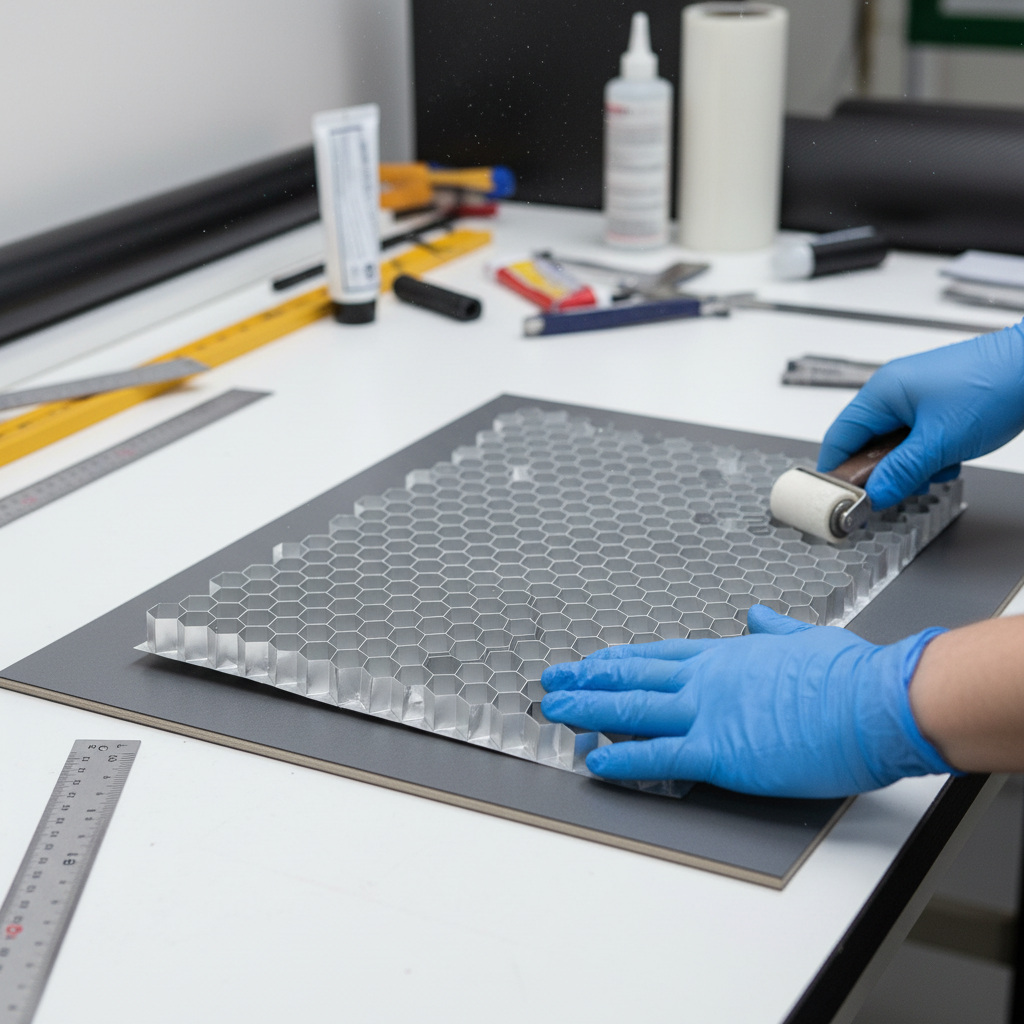
- Open-cell honeycomb structure suitable for bonding with a wide range of skins, including metal, composite and laminate facings.
- Supplied as flat sheets ready for cutting, shaping and integration into sandwich panel systems.
Key Features and Benefits
- Delivers excellent rigidity with minimal added weight, reducing overall structural load and support requirements.
- Improves panel flatness and dimensional stability, helping to achieve high-quality architectural finishes.
- Optimised 19.1mm cell geometry offers a balance of compression and shear strength for façade, cladding and partition systems.
- Multiple thickness and sheet size options provide flexibility in design and help minimise cutting waste and labour time.
- Aluminium honeycomb construction can contribute to improved fire and thermal performance when used within suitable composite build-ups.
- Easy to bond using standard adhesive systems, supporting efficient production of custom sandwich panel configurations.
Specifications
| Specification | Detail |
|---|---|
| Core material | Aluminium honeycomb |
| Cell size | 19.1mm (nominal across flats) |
| Available thicknesses | 10mm, 20mm, 30mm |
| Sheet lengths | 1250mm, 2500mm |
| Sheet widths | 625mm, 1250mm |
| Typical applications | Architectural façades, cladding, ceilings, partitions, composite panels |
Applications and Ideal Uses
This aluminium honeycomb core is designed for integration into composite sandwich panels across a variety of architectural and industrial environments.
- External façade and cladding panels where low weight and high stiffness are required.
- Interior wall partitions and feature panels in commercial and public buildings.
- Suspended ceiling panels and soffits needing excellent flatness and rigidity.
- Doors, bulkheads and access panels in architectural and light industrial settings.
- General composite construction projects combining aluminium honeycomb with metal, laminate or composite skins.
Frequently Asked Questions
Can this aluminium honeycomb core be used outdoors in façade and cladding systems?
Yes, the aluminium honeycomb core is suitable for use in exterior façade and cladding systems when correctly bonded to appropriate facing materials and detailed as part of a designed composite panel. It must be incorporated into an overall system that addresses weatherproofing, drainage, ventilation and fire performance in line with project requirements and relevant regulations.
How do I choose the right thickness and sheet size for my application?
Select the core thickness based on the stiffness and weight requirements of your panel design: 10mm for lighter-duty or thinner panels, 20mm for general architectural use, and 30mm for higher stiffness or larger spans. Choose sheet length and width (1250mm or 2500mm length, 625mm or 1250mm width) to optimise cutting layouts, reduce offcuts and fit your production equipment or panel dimensions.
What type of adhesives and facing materials can be used with this honeycomb core?
The aluminium honeycomb core can be bonded using suitable structural or high-performance adhesives commonly used in composite panel manufacture, such as compatible epoxy, polyurethane or other approved systems. It is generally used with metal skins (such as aluminium or steel), high-pressure laminates, fibre-reinforced composites or similar facing materials, provided that the adhesive and panel design are validated for the intended service conditions.